Lost Paradise: Remembering the Tropicana Country Club in Vintage Las Vegas
A Dream of Suburban Serenity in a Gambling Town
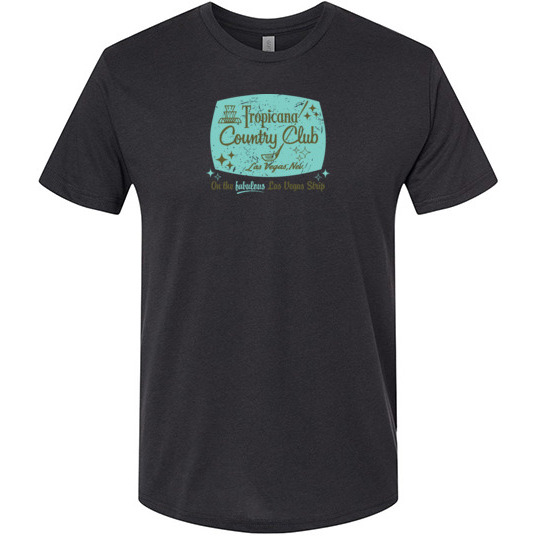
Las Vegas in the 1950s was a city defined by the Strip: bright lights, bustling casinos, and a transient population chasing fortune. But behind the glitz and glamour, a different vision for the city’s future was quietly taking shape. Enter the Tropicana Country Club, an ambitious, albeit short-lived, residential and leisure development that represented a desire to establish Las Vegas as a place where people could live, not just visit. Located just east of the Strip, near present-day Tropicana Avenue, the club emerged as part of a larger plan to attract year-round residents. It was a bold gamble – could Las Vegas be more than just a gambling town?
More Than Just Green Fairways: A Community Hub
The Tropicana Country Club, conceived in the mid-1950s, promised an upscale lifestyle. Plans included single-family homes nestled amongst manicured lawns, rivaling the country clubs of California and Arizona. At the heart of it all was the private golf course and a stately clubhouse. Membership wasn’t open to all; it was selective, targeting professionals, business owners, casino executives, and civic leaders – individuals seeking a respite from the Strip’s constant energy.
The clubhouse itself was a critical component. Instead of a casino lounge, it became a genuine community space. Think elegant dinners, lively dances, charitable fundraising events, and festive holiday gatherings – a taste of traditional suburban social life just minutes from the dazzling lights of the Strip. Golf outings and social mixers fostered a sense of belonging, reinforcing the idea that Las Vegas could be a place to put down roots and build a life. The emphasis was on exclusivity and stability, appealing to a demographic that craved both the excitement of Vegas and the comfort of a stable community.
The Inevitable Shift: Growth and Demise
Sadly, the Tropicana Country Club’s idyllic vision proved unsustainable. The very factors contributing to Las Vegas’s burgeoning popularity – soaring land values, shifting development priorities, and the relentless, explosive growth of the Strip – ultimately sealed its fate. The demand for land near prime corridors became overwhelming, pushing out lower-density projects like the Country Club. Large-scale resorts and commercial developments started to dominate planning decisions, making it impossible to maintain a private country club in the face of such rapid urbanization.
By the late 1950s and early 1960s, the dream faded. The club ceased operations, the golf course disappeared, and the clubhouse was dismantled. The land was quickly subdivided and absorbed into the expanding cityscape.
A Vanished Vision, a Lasting Influence
While the physical Tropicana Country Club is gone, its legacy remains. It represents an early, pioneering effort to redefine Las Vegas beyond the immediate allure of tourism and gambling. The residential neighborhoods that replaced it helped shape the Tropicana Avenue corridor, demonstrating the initial demand for planned living in the city. It stands as a poignant reminder of a different kind of Las Vegas, one that could have been, swallowed up by the unrelenting pace of progress and a city’s insatiable appetite for growth. Unlike more established institutions like the Las Vegas Country Club, the Tropicana Country Club’s brief existence serves as a fascinating footnote in vintage Las Vegas history.