Remembering the Sundance Hotel & Casino: A Brief, Bright Spark in Vintage Las Vegas
A New Kind of Downtown
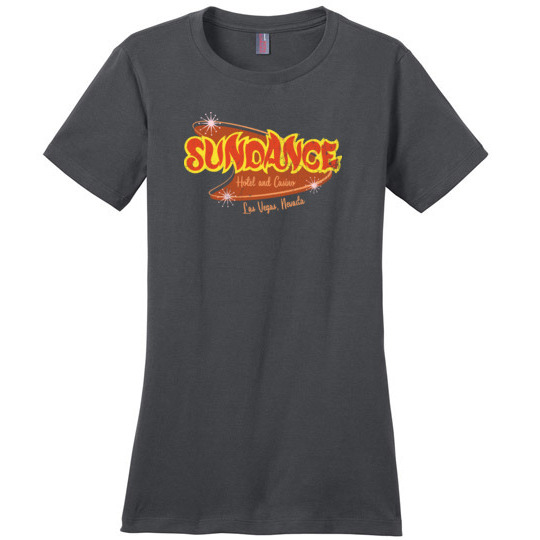
The 1980s in Las Vegas were a period of rapid change. Downtown, long characterized by its nickel slots and somewhat rough-around-the-edges charm, was ripe for revitalization. Enter the Sundance Hotel & Casino, which debuted on July 2, 1980, at 301 Fremont Street. It represented a bold move – an attempt to inject a dose of upscale modernity into the heart of the Fremont corridor. Built on land controlled by the legendary Moe Dalitz, a figure inextricably linked to organized crime and a major player in Las Vegas’s early development, the Sundance aimed to be a direct competitor to the established, but less polished, casinos that defined the area.
The design was everything its predecessor’s weren’t: sleek, modern, and aiming for a higher-end clientele. With around 650 rooms, it offered a welcome respite from the dingy hotels prevalent downtown. The initial tower was impressive enough, but the addition of a second tower in 1981 briefly held the title of Nevada’s tallest building - a testament to the ambition behind the project.
The Shadows of Ownership
The Sundance’s story, however, quickly became intertwined with the complexities of Las Vegas’s regulated casino industry. While Dalitz owned the property, the Nevada Gaming Commission prevented him from directly managing casino operations. This necessitated a management structure involving his associates, Al Sachs and Herb Tobman, who also controlled the Stardust and Fremont casinos. This arrangement, while initially functional, ultimately became the source of significant trouble.
The mid-1980s saw a cloud of controversy descend. Sachs and Tobman faced serious allegations of skimming profits from the Stardust, leading to license suspensions. This turmoil made the Sundance’s future uncertain, and Dalitz, realizing the potential for further complications, attempted to regain control before ultimately relinquishing gaming operations to the experienced Jackie Gaughan in July 1984. Gaughan’s presence was intended to stabilize the property as it prepared for sale.
A Swift Transformation and Lasting Legacy
The Sundance’s brief but impactful run concluded in 1987 when it was sold to Lincoln Management Inc. (later Fitzgeralds Gaming). The property underwent a significant renovation and reopened in March 1988 as Fitzgeralds Hotel & Casino. While the Sundance name vanished, the building itself continued to be a vital part of the Fremont Street experience.
Today, the structure that once housed the Sundance lives on as The D Las Vegas, a vibrant and popular destination on Fremont Street. While few remember the Sundance by name, its story remains a fascinating snapshot of a pivotal moment in Las Vegas history – a time of ambition, regulation, and the constant evolution of a city built on dreams and the pursuit of entertainment. It highlighted the challenges of navigating the complexities of the Nevada Gaming Commission and the ever-present shadow of organized crime that shaped so much of Las Vegas’s early growth.