Royal Nevada Hotel & Casino: A Brief, Brilliant Flash on Vintage Las Vegas Strip History
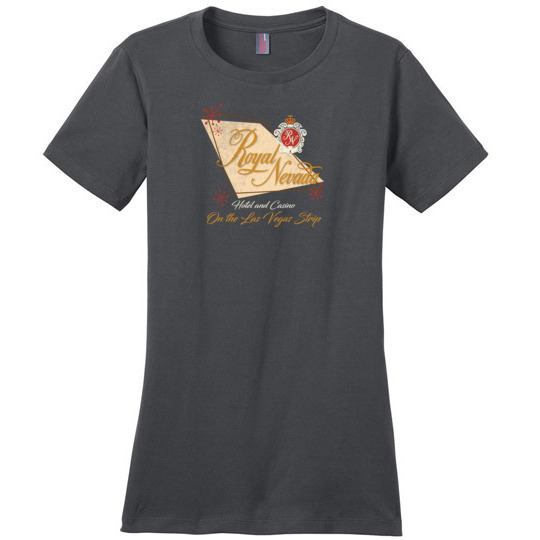
A Crown of Ambition: The Royal Nevada’s Debut
The 1950s were a period of explosive growth for the Las Vegas Strip. New resorts were popping up seemingly every year, each vying for the attention (and wallets) of tourists flocking to experience the burgeoning desert oasis. Amidst this boom, the Royal Nevada Hotel and Casino arrived in April 1955, an ambitious project spearheaded by hotelier Frank Fishman. Originally conceived as the “Sunrise Hotel,” the name change signaled a shift towards a more luxurious image. It was quickly becoming clear that simply being present on the Strip wasn’t enough; you needed to project an aura of opulence.
The architectural design by the legendary Paul Revere Williams was a key element of that projection. Williams, already a renowned architect, created a striking façade distinguished by a massive, regal royal crown emblem - a bold and memorable visual statement intended to instantly convey luxury and draw attention. With 233-250 rooms, the Royal Nevada became the Strip’s eighth property, aiming to offer a stylish and accessible alternative to the existing competition.
Accessible Luxury & Entertainment
The Royal Nevada’s initial appeal lay in its promise of accessible luxury. A mere $1.50 could secure you an all-you-can-eat prime rib dinner! Inside, guests were greeted by a signature “Dancing Waters” fountain show in the lobby, a touch of whimsy and entertainment that set it apart. The casino floor, while relatively modest with just 10 table games and 54 slots, was intended to be a pleasant and inviting space. It was, for a short time, a genuinely promising addition to the Strip’s landscape.
A Turbulent Reign and Rapid Demise
Unfortunately, the Royal Nevada’s reign was cut drastically short. The rapid expansion of the Strip meant the Royal Nevada faced intense competition from larger, more opulent casinos like the Dunes and the Riviera. The casino’s smaller size and limited gaming options struggled to compete, and the cracks began to show.
Adding to the challenges, a series of legal and financial troubles plagued the property. Fishman’s license approval was shaky from the start, triggering contractor lawsuits and a denial of a gambling license. A cheating accusation involving a blackjack dealer further damaged the casino’s reputation. The Royal Nevada closed for the first time in January 1956, before shutting its doors permanently on January 30, 1958, after a second closure in late 1957.
Legacy in the Stardust
The Royal Nevada wasn’t destined to vanish entirely. It was absorbed into its northern neighbor, the Stardust Resort and Casino, initially serving as convention space and an overflow annex. Its legacy continued to live on through the Stardust auditorium and certain hotel rooms that once comprised the Royal Nevada.
Today, the Royal Nevada Hotel and Casino remains a poignant, if brief, chapter in Las Vegas history – a testament to the cutthroat competition and rapid consolidation that defined the Strip’s early years. Its memorabilia, including chips, matchbooks, and photographs, are prized by collectors as tangible reminders of a bold, ambitious gamble that burned brightly, then faded too fast.