The Keyhole Bar: A Tiny, Quirky Gem in Vintage Las Vegas History
A Peek Through the Keyhole: Fremont Street’s Forgotten Bar
Downtown Las Vegas, particularly Fremont Street, has always been about spectacle. But before the dazzling light shows and mega-resorts, it was a vibrant patchwork of small, independent casinos and bars, each vying for the attention of locals and tourists alike. Tucked away at 13 Fremont Street, nestled within the Sal Sagev Hotel (later the Golden Gate), was one such gem: the Keyhole Bar. Operating from roughly 1953 to 1955, this tiny establishment holds a special place in the hearts of vintage Las Vegas aficionados.
What Made the Keyhole Unique?
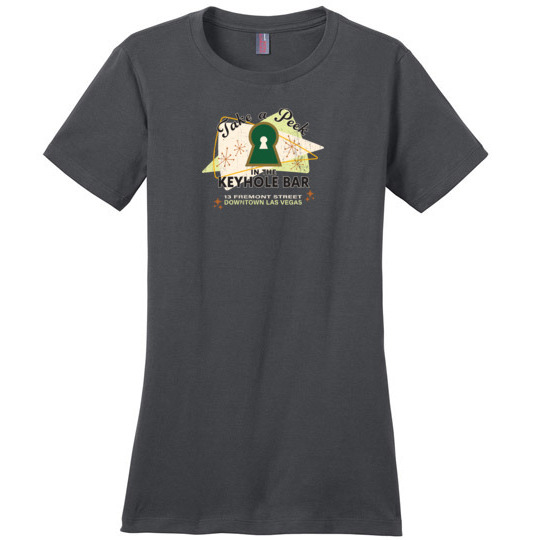
What immediately set the Keyhole Bar apart was its branding. The name itself hinted at exclusivity, and the execution was wonderfully playful. The bar’s most distinctive feature was, of course, its keyhole-shaped front door, a quirky design echoed in the vibrant neon sign and even the matchbook art. In a canyon of competing signs and storefronts, this singular shape instantly made the Keyhole recognizable. It’s this distinct, literal branding that’s truly captured the imagination of those interested in early Las Vegas. It wasn’t just a bar; it was an experience, a tiny portal to a different era.
Life Inside a Miniature Landmark
Descriptions of the Keyhole Bar’s interior are scarce, a common challenge when researching the short-lived businesses that once populated Fremont Street. However, contemporary accounts paint a picture of a classic mid-century Las Vegas watering hole: intimate, smoky, and geared towards a local clientele alongside casino workers and those adventurous tourists seeking something beyond the brightly lit casino floors. Like many establishments in the 1950s Fremont scene, the Keyhole wasn’t just a bar; it likely featured a handful of slot machines and possibly a table game or two – a typical configuration for smaller lounges of the time. It was a place for a quiet drink and a friendly game, a far cry from the sprawling casinos of today.
A Brief but Bright Existence & a New Chapter
The Keyhole Bar’s run was short-lived. By 1955, the name vanished, and the space transformed into the Lucky 13 Club. The Lucky 13 retained a license primarily for slot machines and 21, operating until around 1957. The ever-shifting landscape of Fremont Street meant change was constant; businesses came and went quickly, each leaving its mark on the area’s history. The Sal Sagev building itself has undergone significant renovations and expansions over the years, becoming the Golden Gate Casino.
The Legacy of a Little Bar
While the physical traces of the Keyhole Bar were absorbed into the Golden Gate’s 2017 expansion, erasing the last visible evidence of its existence, its memory persists. Vintage photos, matchbooks, and the ongoing fascination with Fremont Street’s formative years keep the Keyhole Bar alive in our collective imagination. It represents a vital piece of downtown Las Vegas history – an era when personality and clever branding could carve out a niche in a competitive environment, even for the smallest of establishments. It’s a reminder that even the tiniest corner of Las Vegas history holds a story worth telling.