Remembering the Imperial Palace: A Vintage Vegas Landmark
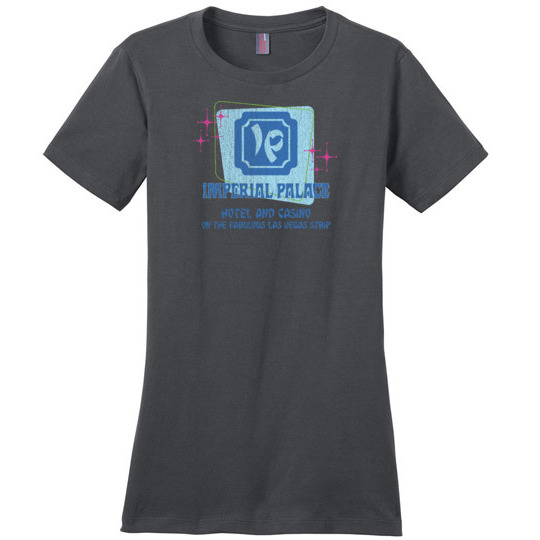
From Flamingo Capri to Imperial Grandeur
The Las Vegas Strip has seen countless transformations, but few properties have undergone as significant a reinvention as the Imperial Palace Hotel and Casino. Originally the Flamingo Capri motel – a modest accommodation just starting to glimpse the potential of the burgeoning Strip – its story truly begins in the early 1970s with the acquisition by the ambitious Ralph Engelstad. He envisioned something grand, something different. After adding a small casino in 1972, Engelstad unleashed his vision on November 1, 1979, unveiling the reimagined Imperial Palace.
The name itself aimed to evoke images of ancient Chinese imperial majesty, and the aesthetics followed suit. The instantly recognizable blue-tiled pagoda roof, painstakingly imported from Japan, became a defining feature of the Strip skyline. Elaborate dragon carvings, intricate wind-chime chandeliers, and a generally opulent, yet accessible, design, were all thanks to the talented architect Merlin J. Barth. It was a deliberate attempt to create a unique, themed experience, a hallmark of vintage Las Vegas.
Cars, Shows & Treasures
The 1980s were a period of explosive growth for the Imperial Palace. In 1981, Engelstad unveiled the Auto Collections, a sprawling showroom housing 250 meticulously maintained classic, antique, and muscle cars – a spectacle worth over $100 million! It was an unprecedented offering, a destination in itself, and a testament to Engelstad’s eclectic passions.
Beyond the cars, the Imperial Palace cemented its reputation with entertainment. “Legends in Concert” debuted in May 1983, showcasing incredibly talented impersonators of music icons like Elvis Presley and Michael Jackson. This show went on to become the longest-running show in Las Vegas history, a record it held for decades. Seasonal pool parties with Polynesian themes added to the festive atmosphere, contributing to its reputation as a popular and relatively affordable family-friendly destination. The “Court of a Thousand Treasures” shopping arcade further enhanced the overall experience, making the Imperial Palace more than just a casino – it was a sprawling entertainment complex.
A Shadow and a Legacy
While the Imperial Palace was a landmark of vintage Vegas charm and entertainment, its legacy remains complex. Ralph Engelstad’s controversial personal collections, including a display of Nazi memorabilia, generated significant criticism and cast a long shadow over the property. This aspect of its history is a stark reminder of the complexities of the men and visions that shaped old Las Vegas.
After Engelstad’s passing in 2002, Caesars Entertainment (then Harrah’s) acquired the property in 2005. Recognizing the shifting sands of the Las Vegas Strip, the Imperial Palace underwent significant rebranding, first becoming The Quad and then ultimately The LINQ, now inextricably linked to the vibrant LINQ Promenade and the iconic High Roller observation wheel. While the Imperial Palace as we knew it is gone, its spirit of themed entertainment and unique attractions—particularly the Auto Collections—leave an indelible mark on the history of the Las Vegas Strip.