Remembering the Frontier Club Casino: A Vintage Las Vegas Story
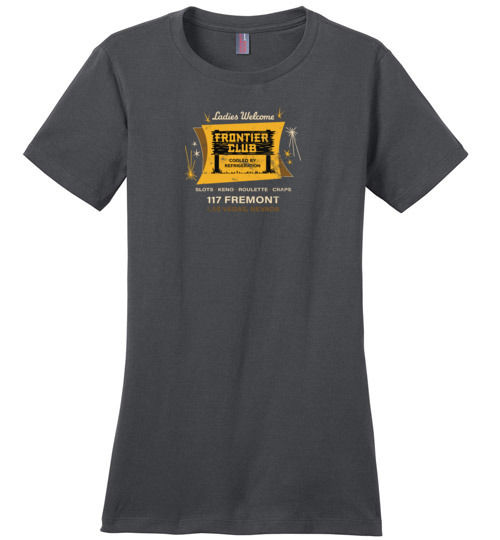
A Pioneer on Fremont Street
The name “Frontier” evokes images of cowboys and the Wild West, and that’s exactly the kind of brand identity early Las Vegas embraced. The Frontier Club Casino, located at 117 Fremont Street, was a quintessential example. Opening its doors on May 11, 1939, it wasn’t some sprawling resort, but a compact, vital piece of the puzzle that would become the legendary Las Vegas we know today. Operating until 1954, it helped cement Fremont Street’s reputation as Nevada’s original gambling corridor.
The Early Days of Downtown Gaming
Think back to the 1930s and 40s. Nevada had legalized wide-open gambling just a few years earlier in 1931, and Las Vegas was still in its formative stages. Fremont Street wasn’t the dazzling pedestrian mall of today; it was a manageable, walkable block teeming with modest casinos, saloons, cafés, and hotels. The Frontier Club nestled amongst these, competing for business with other small establishments clustered near Fremont and First Street. It was a far cry from the mega-resorts that would later define the Las Vegas Strip.
These early casinos prioritized accessibility and a relaxed atmosphere. Forget elaborate themes and spectacular shows. The Frontier Club, like its neighbors, offered standard games of the era: slot machines, roulette, craps, keno – the essentials. The interiors were intentionally intimate; gaming tables were close together, fostering conversation and a social buzz, with a centrally located bar as a natural gathering place. Patrons easily hopped between casinos, creating a vibrant and energetic scene.
Reflecting a Western Identity
The “Frontier” name wasn’t chosen randomly. Early Las Vegas businesses heavily leaned into Western imagery. The desert setting and the spirit of opportunity – the draw for those seeking fortune in a new land – made the frontier theme a perfect fit. It conveyed a sense of adventure, risk, and a place where anything was possible. This imagery resonated with the clientele, primarily locals, railroad workers, and laborers supporting the massive Boulder (Hoover) Dam project just a short distance away.
The Shift and the Legacy
As the 1940s progressed, Las Vegas started to evolve. Larger, better-funded casinos began modernizing Fremont Street with bigger signs and expanded properties. This era of expansion put pressure on smaller operations like the Frontier Club. Eventually, the club disappeared from city directories, its physical space transitioning into later iterations like the Lucky Casino and Lucky Strike Club.
Today, the location that once housed the Frontier Club is part of the Golden Nugget complex. While little remains physically to directly mark its presence, the Frontier Club stands as a crucial reminder of Las Vegas’s humble beginnings. It represents the independent, storefront casino culture that laid the foundation for Fremont Street’s success – a time when the gambling empire took shape, one small gaming room at a time.