Debbie Reynolds Hotel & Casino: A Sparkling Dream That Faded on the Las Vegas Strip
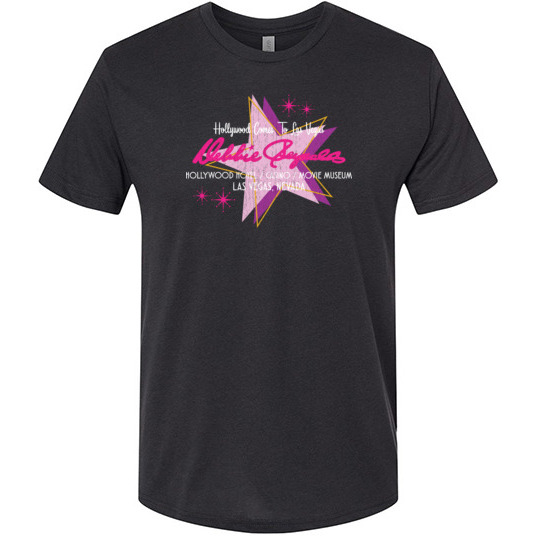
A Star’s Gamble on the Strip
The 1990s on the Las Vegas Strip were a period of rapid expansion and increasingly ambitious ventures. Amidst the mega-resorts and themed casinos, a truly unique concept materialized: the Debbie Reynolds Hotel and Casino. In 1992, the legendary actress, alongside her then-husband Richard Hamlett, purchased the Paddlewheel Hotel and Casino for $2.2 million, envisioning a glittering destination celebrating Hollywood’s Golden Age. It wasn’t just about gambling; it was about bringing the magic of the movies to the desert.
Hollywood Dreams & Financial Realities
The revamped property, officially opening in July 1993 as the Debbie Reynolds Hollywood Hotel and Casino (the “Hollywood” quickly dropped due to trademark issues), was meant to be a testament to Reynolds’ incredible collection of Hollywood memorabilia. Plans included a sprawling museum showcasing costumes, props, and awards from her extensive personal archive – a truly unique draw for visitors. The design itself incorporated elements reflective of the classic Hollywood era. Reynolds herself became a headliner, performing in a custom-built theater designed by her son, Todd Fisher. Jackpot Enterprises managed the casino operations, which initially consisted of a modest 184 slot machines and two table games.
However, the fairytale quickly hit some bumps. Reynolds and Hamlett lacked experience in resort management, leading to a reliance on leased amenities. More critically, the venture faced significant financial struggles almost immediately. To alleviate the pressure, the company went public in 1994, and the higher floors were sold as timeshares—over 1,000 units—a common tactic during that era of ambitious casino development.
A Brief but Bright Legacy
Todd Fisher later attributed the issues to undercapitalization and mismanagement. He assumed control of the business in 1995, but the damage had been done. In March 1996, the casino was temporarily shuttered after terminating its contract with Jackpot Enterprises. Reynolds’ inability to secure a gaming license further complicated matters.
Despite the hardships, the Debbie Reynolds Hotel and Casino left a memorable mark. It represented a bold – if ultimately unsuccessful – attempt to blend celebrity spectacle with casino entertainment. The iconic neon sign, a vibrant beacon on the Strip, was thankfully rescued and now resides at the Neon Museum, a permanent reminder of the hotel’s brief but brilliant existence.
The End of an Era & Looking Ahead
Bankruptcy protection was filed in July 1997, followed by a bankruptcy auction in August 1999. David Siegel of Westgate Resorts even invested $200,000 to keep the property afloat during that turbulent period. To retain its gaming license, a scaled-down casino with just 25 slot machines reopened in September 1997. The land now belongs to Lorenzo Doumani, who is planning a significant high-rise, non-gaming hotel called Majestic Las Vegas, slated for groundbreaking in 2024 and an expected opening in 2027. While the memories of Debbie Reynolds’ brief but glamorous foray into the Las Vegas casino world may fade, the legacy remains, a captivating story in the ever-evolving narrative of the Las Vegas Strip.