Remembering the Cinnabar Cocktail Lounge: A Taste of Old Vegas
A Frontier Oasis in a Growing City
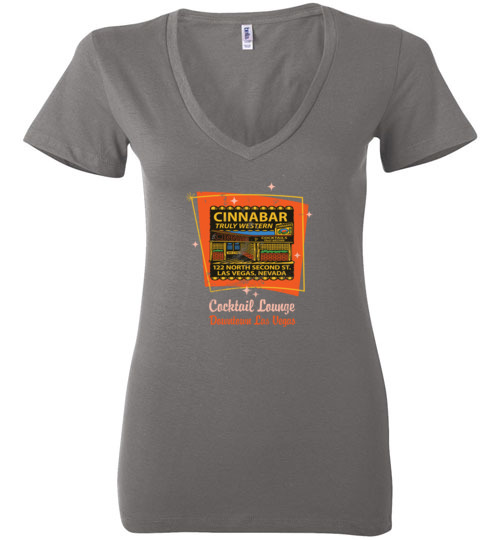
The 1940s and 50s in Las Vegas were a period of incredible transformation. While the Strip began to gleam with the promise of opulent casinos, downtown Las Vegas retained a raw, vibrant, and undeniably local feel. Nestled within this evolving landscape was the Cinnabar Cocktail Lounge, a place that captured the spirit of the Old West while contributing to the city’s burgeoning entertainment scene. Originally located on South 1st Street, the Cinnabar relocated in 1947 to 122 North 2nd Street – a prime location just a stone’s throw from the burgeoning Fremont Street Experience.
“Truly Western” Charm
What set the Cinnabar apart? It wasn’t the shimmering chandeliers or high-roller games. It was its deliberate embrace of a rustic, Western theme. Imagine stepping inside and being greeted by wood-paneled walls, frontier-inspired decor, and a genuinely relaxed atmosphere. This was a place for locals and tourists alike to unwind, a haven from the increasingly glitzy and glamorous competition springing up elsewhere on the Strip. The marketing really drove home this image – “Truly Western” was more than a slogan; it was a promise. The Cinnabar offered a no-nonsense, authentic experience that many of the newer, more formal establishments lacked.
From Neon Sign to Rooftop Beacon
The Cinnabar’s prominent neon signage, crafted by the legendary Young Electric Sign Company (YESCO), was a vital part of its appeal. In an era where neon defined Las Vegas, the Cinnabar’s sign cut through the darkness and drew in thirsty travelers. Even more unique was the rooftop beacon light. This wasn’t just decorative; it served as a literal landmark, helping late-night patrons find their way back to the lounge after a night of entertainment.
Food, Drinks, and a Community Hub
The early 1950s brought further growth, with the addition of the Cinnabar Restaurant next door. This created a combined dining and drinking experience, catering to a wider clientele. It was a one-stop-shop for a hearty meal and a well-crafted cocktail. More than just a business, the Cinnabar likely served as a community hub—a place where locals gathered to share stories and newcomers could experience a taste of authentic Las Vegas hospitality.
A Vanishing Icon
Sadly, the Cinnabar’s reign didn’t last forever. By the late 1950s and early 1960s, the building and its block were swallowed up by the rapid modernization of downtown Las Vegas, eventually becoming part of the Golden Nugget complex. While its physical presence is gone, the Cinnabar’s memory lives on through vintage postcards, matchbooks, and photographs. It serves as a powerful reminder of a formative era in Las Vegas history – a time when gritty saloons and neon-lit cocktail lounges were the bedrock of this unforgettable city. It wasn’t about high rollers and extravagant shows; it was about community, character, and a whole lot of charm.