Lost Las Vegas: Remembering the Unique Chinese Garden Restaurant
A Bold Statement in a Growing City
The mid-1980s were a period of significant change for Las Vegas. While the Strip was booming with glitz and glamour, the city itself was experiencing population growth and an expanding cultural diversity. This era saw the emergence of unique establishments attempting to define themselves within a landscape dominated by familiar American franchises. One such venture was the Chinese Garden Restaurant, a standalone dining spot that stands as a fascinating, if now largely forgotten, chapter in Las Vegas history.
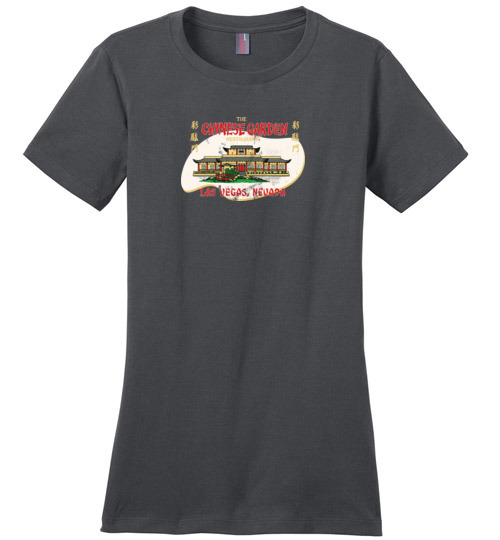
Located at 5485 W Sahara Avenue, the Chinese Garden Restaurant wasn’t just another Chinese eatery tucked away in a strip mall. It was a bold statement. The architecture itself was remarkable: a free-standing building deliberately designed with a Chinese-inspired façade. It drew heavily from the aesthetics of traditional Chinese architecture, echoing the grandeur of places like Tiananmen Square and the Forbidden City. This was a deliberate choice, a far cry from the more generic Chinese restaurants of the time. It aimed to showcase a more sophisticated image of Chinese culture, something relatively novel for Las Vegas at the time.
Beyond the Food: An Architectural Experience
What set the Chinese Garden Restaurant apart wasn’t solely about the food, although the classic Chinese cuisine served was, reportedly, quite popular. It was the entire experience. The design made it instantly recognizable. For locals and tourists alike, it offered a rare glimpse into a different culture, presented through a stunning architectural lens. It represented an aspiration – a desire to create a visible identity for Chinese culture within a city known for its neon lights and casinos.
The name itself was carefully considered. The Chinese characters displayed – “Cai Lin Men” – carried a beautiful meaning: “colorful/lucky fortune” (Cai) “coming to your door” (Lin Men). It was a blessing, a wish for good fortune and joy for every guest. This attention to detail further solidified its unique appeal.
A Shifting Landscape and a Fading Legacy
As Las Vegas continued to evolve, so did its culinary landscape. The rise of larger Asian markets and restaurants along Spring Mountain Road led to the formation of what is now the vibrant Chinatown district. This concentration of authentic Chinese dining options naturally shifted the focus, and the standalone character of the Chinese Garden Restaurant felt somewhat anachronistic.
Sadly, time and development took their toll. The original architectural features were gradually erased as commercial development reshaped the area. The grand facade that once distinguished it was lost, replaced by newer construction. Today, the property is home to Orchids Garden Chinese Restaurant, a testament to the enduring popularity of Chinese cuisine, but lacking the architectural distinctiveness of its predecessor.
Despite its disappearance, the Chinese Garden Restaurant’s story remains a valuable piece of vintage Las Vegas history. It’s a reminder of an era when cultural expression took on unique forms, and a testament to the enduring contributions of Chinese culture to the city’s diverse tapestry. It stands as an early, ambitious attempt to introduce a richer cultural experience to Las Vegas, paving the way for the thriving Chinatown we know today.