Carver House Hotel and Casino: Remembering Vintage Las Vegas History on West Jackson Avenue
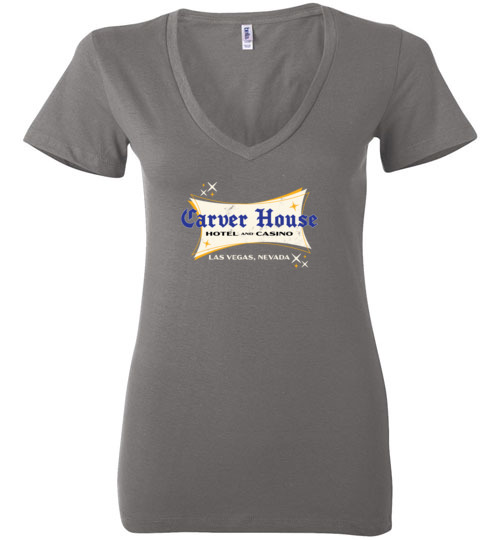
The sparkle of the Strip often swallows up some of the most vital chapters of Las Vegas history, but nothing captures the spirit and resilience of mid-century West Vegas quite like the story of Carver House Hotel and Casino. For those who remember a time when every neon flicker told a tale—and sometimes, when certain doors were simply closed to you—Carver House was more than just a place to gamble; it was a beacon.
A Beacon in Segregated Times
Opened in July 1961, Carver House found itself at the crucial intersection of American progress and deeply entrenched segregation. While much of downtown Vegas shimmered with white-collar resort glamour, this five-story palace stood as one of the most significant, full-service destinations for African American travelers, performers, and residents. This wasn’t just another hotel; it was a meticulously constructed social nexus—a place where Black community members could dine in style, enjoy live music, gamble freely, and socialize without constraint. Its importance is underlined by its listing in The Negro Travelers’ Green Book throughout the 60s, confirming its essential role in the Civil Rights journey to Vegas’ prime gaming districts.
The Allure of Mr. B’s Supper Club
From a functional standpoint, Carver House offered everything: rooms for repose, slot machines for luck, and certainly, a place for glamour. Its true jewel, however, was undoubtedly Mr. B’s Supper Club. This venue promised big-time entertainment, designed to pull the highest caliber talent down West Jackson Avenue. Think of the buzz! Open-night publicity boasted names like Billy Eckstine and Sammy Davis Jr., ensuring that every visitor felt they were walking into a major cultural event. The marquees glowed with star power—names like Calvin “Eagle Eye” Shields added to the vibrant, dizzying atmosphere of an era where nightlife was both thrilling and revolutionary.
More Than Mortar: A Legacy
While the years changed, shifting ownership from First Western Bank to other entities, the structure itself became entwined with the fabric of West Vegas life. Even after evolving into The Cove Hotel in 1965, it never lost its foundational identity as a community pillar. By hosting organizations like Operation Life in the early ’70s, Carver House proved that its value transcended profit margins—it housed activism and resilience.
Though time, fire (in 1989), and demolition took the physical structure away, the spirit of Carver House remains indelibly etched into the memory of vintage Las Vegas. It stands as a powerful reminder that this city’s true magic is found in its layers—the hidden stories of those who built this town when others said they couldn’t. We raise a glass to the glamorous, complicated, and indispensable history housed within these walls.
🎰 Shop the Carver House Hotel and Casino Las Vegas Collection
Own the nostalgia
Get the free 1948 Golden Nugget Gaming Guide
Want more old Vegas in your inbox? Grab the Free 1948 Golden Nugget Gaming Guide for a collector-friendly piece of downtown history, plus the best follow-up stories and first-look merch picks.
Prefer merch first? The store already has a first-order offer waiting.