Remembering the Boulder Club Casino: A Vintage Las Vegas Treasure
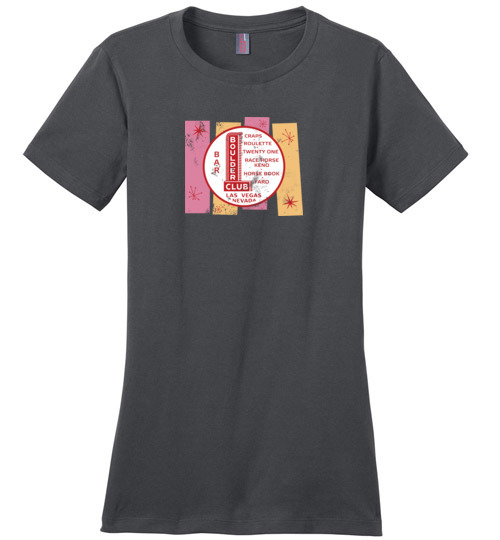
A Pioneer on Fremont Street: The Boulder Club’s Early Days
The Boulder Club Casino, a name synonymous with early Downtown Las Vegas, holds a significant place in the city’s gambling history. Located at 118 East Fremont Street, its story is inextricably linked to the very birth of legalized gambling in Nevada and the explosive growth that followed. Opened in 1929, the Boulder Club wasn’t just another casino; it was part of the vanguard, one of the first generation of establishments that transformed Las Vegas from a sleepy railroad town into a budding entertainment destination. The naming itself provides a vital clue to its origins – a nod to the nearby Boulder Dam, later renamed Hoover Dam, a monumental construction project that brought a wave of workers and investors to the region. This influx fueled optimism and a booming economy, and the Boulder Club was perfectly positioned to capitalize on it.
More Than Just Games: A Social Hub
Unlike the sprawling, themed resorts we associate with the Las Vegas Strip today, the Boulder Club of the 1930s and 40s was a modest, intimate affair. Think simple charm and a focus on accessibility. It offered classic casino staples: slot machines, blackjack, roulette, and dice. But what truly made it special was the atmosphere. It was a place where locals and dam workers mingled, swapping stories and enjoying a lively atmosphere. Gambling wasn’t the only draw – it was a social hub. Patrons came to drink, to connect, and to soak up the budding nightlife that was starting to define Las Vegas. This emphasis on social interaction truly separated it from the later, resort-style properties that prioritized glitz and spectacle.
Neon & Legacy: A Glowing Presence
The Boulder Club’s neon signage was more than just advertising; it became an integral part of Fremont Street’s evolving visual identity. Contributing to the developing “Glitter Gulch” atmosphere, the casino’s distinctive neon glow helped define the iconic canyon of light that made Downtown Las Vegas so unique. Through various ownership changes and renovations, the club adapted while largely maintaining its classic feel. While the postwar years saw the rise of larger casinos on the Las Vegas Strip, the Boulder Club persevered, remaining a steadfast fixture in the heart of Downtown.
An End of an Era
Sadly, the Boulder Club’s story wasn’t destined to continue indefinitely. Changing economic conditions and redevelopment plans ultimately led to its closure in 1960. The building was demolished to make way for an expansion of the Benny Binion’s Horseshoe Hotel and Casino, marking the end of an era for this beloved Fremont Street landmark. Though physically gone, the Boulder Club’s legacy lives on, a powerful reminder of the humble beginnings of Las Vegas and the pioneers who helped shape the city into the entertainment capital of the world. It stands as a crucial piece of the puzzle, showcasing how a simple casino, fueled by optimism and hard work, helped pave the way for the glittering, dynamic Las Vegas we know today.