Bob Stupaks Sinabar Casino Las Vegas History: A Vintage Look at Downtown Vegas's Early Golden Age
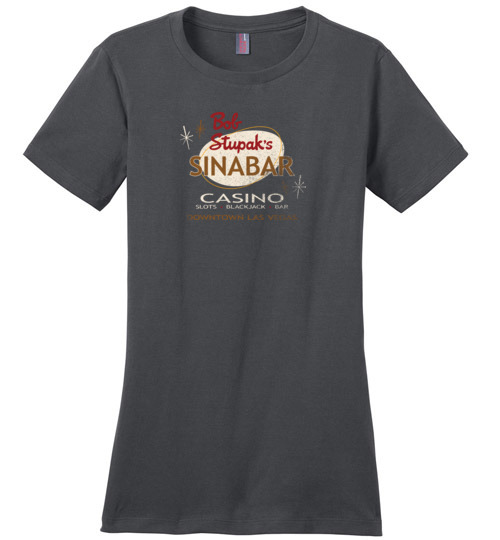
In the wild, vibrant decades that birthed the modern Neon City, not every story was about monumental fountains or mega-resorts. Sometimes, the most vital chapters were written in the smaller, grit-and-glamour venues of Downtown Las Vegas. One such unique stop was Bob Stupaks Sinabar Casino, a tiny jewel on East Ogden Avenue that perfectly captures the raw, entrepreneurial spirit of the mid-1970s.
The Sinabar Era: Vegas Before the Strip Icons
If the main Strip represented the ultimate destination, Sinabar represented the heart of the local, experimental scene. Operating just north of Fremont Street, the address was a bustling crucible of short-lived, imaginative ventures. Bob Stupak, arriving in the city fresh from Pittsburgh, saw an opportunity in this compact, hardworking corner. Sinabar, whose name played on the rich, red mineral cinnabar, was designed to be more than just a casino; it was a stage for Stupak's burgeoning persona. The mid-70s were a period of relentless growth and constant reinvention in Vegas, and Sinabar was Stupak's way of making his dramatic entrance.
A Promotional Playground
What set Sinabar apart was less about its square footage and more about its owner's energy. Stupak was a master of the bold claim and the flash sale—a man whose promotional style would later define his career. While the club itself offered a classic full-service gaming experience (slot machines, blackjack, and a lively bar), Stupak treated every advertisement and every patron like a theatrical performance. For locals and early adventurers alike, Sinabar was an early-career playground for a legend in the making. It allowed Stupak to hone the flashy, high-risk promotional approach that would ultimately lead to ambitious, unconventional projects.
Legacy of the Little Guys
Although Sinabar operated only for a brief period under his ownership, its significance cannot be overstated. It wasn't the final destination, but the critical stepping stone. It cemented Bob Stupak's presence in the local flavor of the gaming scene, giving him the necessary experience and the reputation for big ideas. Like many gems of the old Downtown, Sinabar eventually transitioned, and the block cycled through identities—a pattern that defined much of vintage Las Vegas history. Yet, the ghost of Sinabar remains a poignant reminder that true Vegas artistry isn't always found in the highest towers, but often in the bold, brief flashes of brilliance found in the neighborhood clubs.
🎰 Shop the Bob Stupaks Sinabar Casino Las Vegas Collection
Own the nostalgia
Get the free 1948 Golden Nugget Gaming Guide
Want more old Vegas in your inbox? Grab the Free 1948 Golden Nugget Gaming Guide for a collector-friendly piece of downtown history, plus the best follow-up stories and first-look merch picks.
Prefer merch first? The store already has a first-order offer waiting.