Binion's Horseshoe Las Vegas: A Downtown Legend and the Birth of the WSOP
A Downtown Game Changer: Benny Binion’s Vision
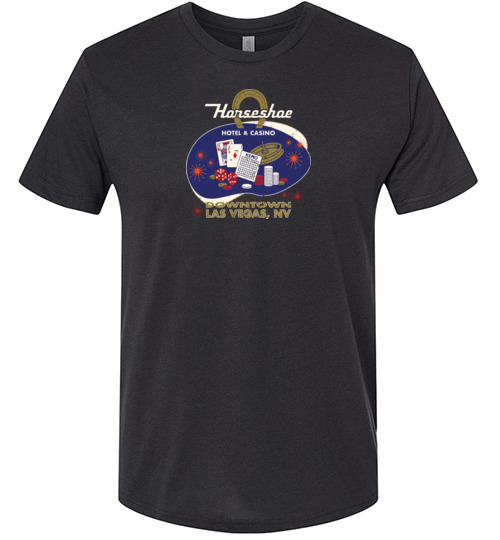
Before the mega-resorts of the Strip dominated the Vegas landscape, downtown Fremont Street was the place to be. And within that bustling scene, the Binion’s Horseshoe (originally just “Horseshoe” at its 1951 opening) emerged as a crucial player, forever changing the tone of Vegas gaming. Founded by the larger-than-life Benny Binion, a Tennessee native with a nose for opportunity, the Horseshoe at 128 Fremont Street was more than just a casino; it was a statement. Binion wanted a gambler’s paradise, a place where anyone – from the nickel slots player to the high roller – felt welcome.
This was a direct challenge to the more formal and exclusive atmosphere developing on the burgeoning Strip. Binion believed in fair odds, encouraging higher bets, and treating everyone with respect. His mantra: “Treat small bettors like big ones, and big bettors like kings.” It resonated with a clientele eager for an honest and friendly gambling experience. The Horseshoe quickly became known for its lively, approachable dealers and personalized service that felt a world away from the often-stuffy environment elsewhere.
A Million Bucks and a Poker Dream
The Horseshoe wasn’t just about the games; it was about the spectacle. The iconic display of $1 million in cash, encased in glass, became a Vegas landmark. Tourists flocked to snap photos, and it represented the glittering possibility that drew people to Las Vegas. It was a tangible symbol of the potential rewards that awaited those willing to take a chance.
But perhaps the Horseshoe’s most significant contribution to gaming history wasn’t its design or its atmosphere, but its pioneering role in poker. In 1970, Benny Binion hosted the first-ever World Series of Poker, a small, invitational tournament. Little did anyone know that this seemingly modest event would blossom into the global phenomenon it is today. The WSOP transformed the Horseshoe’s reputation, solidifying its place in gaming lore, and catapulted poker into the mainstream. It provided a platform for emerging poker stars and helped create the image of professional poker that we know today.
From Family Legacy to Caesars’ Embrace
For over three decades, the Horseshoe remained a Binion family stronghold, a testament to Benny’s vision and legacy. However, financial difficulties and regulatory challenges eventually led to its sale in 2004 to Harrah’s Entertainment, now Caesars Entertainment. While the downtown casino continued as Binion’s Gambling Hall, the Horseshoe brand itself migrated to other locations under the Caesars umbrella.
In a fitting tribute to its history, Caesars Entertainment made a bold move in 2022, rebranding Bally’s Las Vegas on the Strip back to Horseshoe Las Vegas. It was a full-circle moment, bringing the legendary name and its associated history back to a prominent Strip location for a new generation of gamblers.
Today, the legacy of Binion’s Horseshoe lives on - a powerful symbol of old-school Vegas grit, honest play, and the enduring appeal of taking a chance. It’s a reminder of a time when downtown ruled the roost and a single man’s vision could shape the very culture of Las Vegas.