Remembering the Barbary Coast: A Vintage Vegas Gem Lost to Time
A Stylish Alternative Emerges
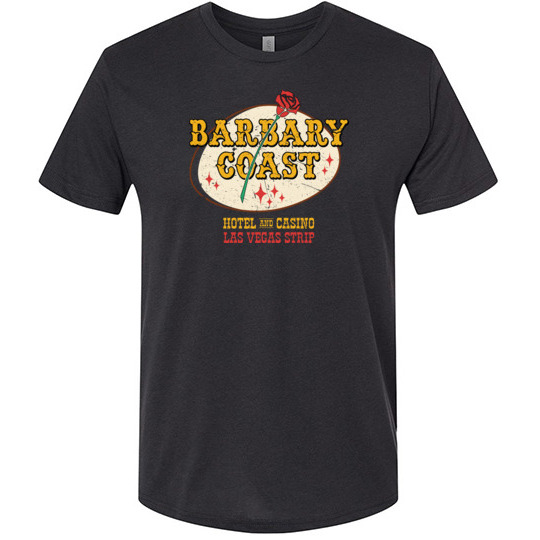
The Las Vegas Strip in the late 1970s was dominated by sprawling mega-resorts, but a different kind of elegance was about to take root. On March 2, 1979, the Barbary Coast Hotel & Casino opened its doors, a project spearheaded by Michael Gaughan, son of downtown Las Vegas legend Jackie Gaughan. Built on the site of the former Desert Villa/Times Square Motel, strategically located at the bustling “Four Corners” of Las Vegas Boulevard and Flamingo Road, it represented a deliberate move to offer a more intimate, upscale experience. The development wasn’t without its challenges; larger competitors worried about traffic and zoning, but Michael Gaughan’s team skillfully navigated these hurdles, even incorporating design ingenuity to work around existing power lines.
Opulence & Grace: Defining the Barbary Coast Experience
The Barbary Coast wasn’t just another casino; it was a statement. With just 150 rooms and suites, it fostered a sense of exclusivity. Inside, guests were greeted with opulent touches that felt a world away from the increasingly frenetic Strip. Stained-glass accents illuminated the space, shimmering chandeliers cast a warm glow, and a stunning Tiffany-style mural, “The Garden of Earthly Delights,” captivated visitors. In the mid-1980s, the property expanded by 50 rooms, cleverly utilizing the existing parking structure. It quickly gained a reputation for its refined atmosphere, a welcome contrast to the often-overwhelming scale of nearby resorts.
A Moment of Crisis & Compassion
The Barbary Coast’s legacy extends far beyond its beautiful design and elegant ambiance. In November 1980, the unthinkable happened – the MGM Grand caught fire. Michael Gaughan’s quick thinking and decisive leadership shone through. He ordered a swift evacuation of his casino and, crucially, transformed the Barbary Coast into an impromptu triage center, providing crucial assistance to those injured and displaced by the tragedy. This act of generosity and responsibility cemented the Barbary Coast’s place in Las Vegas history and fostered a deep sense of community spirit.
Dining & Nightlife Evolution
The property’s signature dining room, Michael’s Steakhouse, consistently earned rave reviews and helped herald the rise of fine dining on the Strip. Later, in 1997, the clever repurposing of a former McDonald’s space birthed Drai’s After Hours, a nightclub that would become an enduring and iconic Las Vegas late-night destination, proving the Barbary Coast’s adaptability and knack for staying relevant.
A Farewell & Transformation
Despite its enduring popularity, the Barbary Coast’s run ended on February 27, 2007, after nearly 28 years of operation. Initially, it briefly reopened as Bill’s Gamblin’ Hall & Saloon, a nostalgic nod to company founder Bill Harrah. Ultimately, it was rebranded as The Cromwell in 2014. While the Barbary Coast name is gone, its memory lives on as a reminder of a different era – a time when sophistication, elegance, and community were just as important as the dazzling lights of the Las Vegas Strip.