Alias Smith Jones Restaurant Las Vegas History: Remembering the Gritty Off-Strip Watering Hole
The Heart of Off-Strip Las Vegas
Before the sprawling resorts dominated the landscape, Las Vegas had a pulse that beat loudest off the Strip. To understand that grittier, more soulful side of the city, you have to talk about Alias Smith Jones. This watering hole, nestled on Twain Avenue and opening in 1975, wasn’t designed for the masses; it was built for the neighborhood. It was the perfect blend of casual, rugged appeal, serving as a genuine counterpoint to the glittering excess developing just blocks away.
The restaurant embraced a playful outlaw motif, drawing inspiration from its namesake TV show, yet its spirit was far more root-and-branch American. When you walked through those doors, you weren’t entering a themed show; you were stepping into a distinctly lived-in slice of Vegas history. It was a place where the working-class charm of a classic Western saloon mingled effortlessly with the fleeting glamour of a Vegas night.
More Than Just Dinner
What made Alias Smith Jones so deeply beloved wasn’t just the atmosphere—though the Old West flair was undeniable. It was the culture it hosted. It was the late-night destination for local crews, for casino workers clocking out, and for anyone seeking a place where stories were told loud, laughter was hearty, and the rules felt unwritten. It was the definition of a neighborhood fixture.
And let’s talk food. While the camaraderie and atmosphere were the main attractions, the legendary fried zucchini wasn’t just a menu item; it was a pilgrimage. It was the sustenance for a night of deep conversation and even deeper drinks. Alias Smith Jones managed to capture a magic few mega-resorts could ever touch: the sense of genuine, unpolished community. It was where the everyday intersected with the extraordinary.
The Legacy of a Memory
The end came too quickly. After nearly twenty-two years of service, the building was lost to an arson fire on November 29, 1996. That blaze didn’t just burn down a building; it extinguished a specific era of Vegas—the age when local character and independent spirit could still anchor the Wild West’s greatest playground.
Today, Alias Smith Jones lives on not in neon, but in memory. It stands as a vital touchstone for those who remember the authentic grit and warmth of pre-boom Vegas. It reminds us that the true heart of the city often beat loudest, and most genuinely, far away from the polished façade of the Strip.
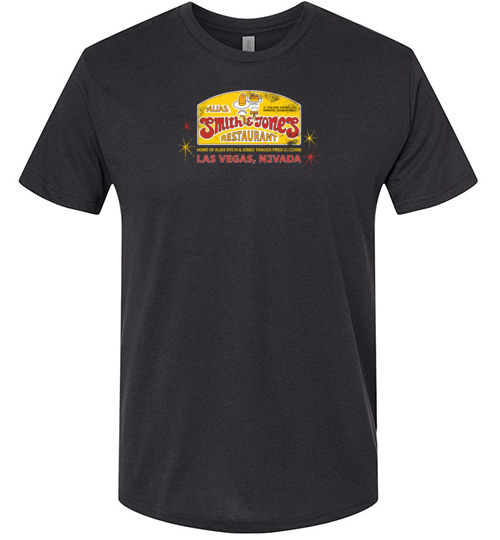
🎰 Shop the Alias Smith Jones Restaurant Las Vegas Collection
Own the nostalgia
Get the free 1948 Golden Nugget Gaming Guide
Want more old Vegas in your inbox? Grab the Free 1948 Golden Nugget Gaming Guide for a collector-friendly piece of downtown history, plus the best follow-up stories and first-look merch picks.
Prefer merch first? The store already has a first-order offer waiting.